A Designer's Real-World Review: Proud Mom Design
Every embroidery designer knows the feeling. You download a new file, look at it on the screen, and the real work begins: imagining it as a finished, stitched product. You picture it on fabric, think about thread colors, and visualize a client’s reaction. That’s exactly what I’m doing today with this design. Let’s walk through what makes this design stand out for real projects and where a seasoned crafter might need to pay extra attention.
First Impression: A Clear, Celebratory Mood
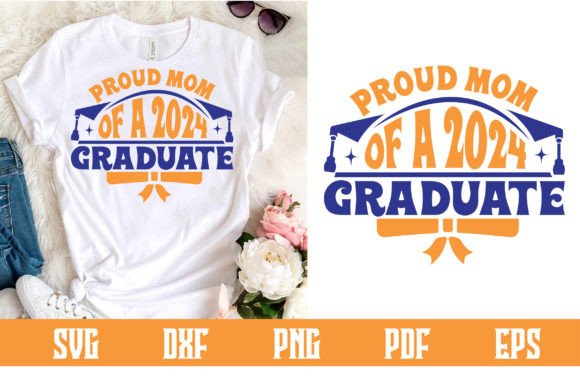
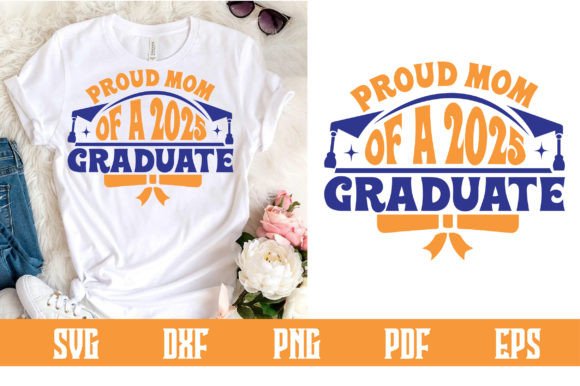
The moment you open this design, the intent is unmistakable. It’s celebratory, proud, and personal. The layout, built on the “word by layer” structure, suggests a clean, layered final look. This isn’t a overly ornate, dense graphic; it’s a statement piece. The personality is warm and direct, which is perfect for its core purpose: marking a significant family milestone. For embroidery, this clarity is a gift. It tells you immediately that this design belongs on something meant to be worn, displayed, or gifted with pride.
The Natural Fit: Personalized Gifts & Boutique Products
Imagine you’re preparing a custom order for a client whose son is graduating. They want a keepsake. This design leaps out as a solution for an embroidered sweatshirt for the mom, a tote bag she can use daily, or even a decorative pillow cover for the home. The theme is so specific that it instantly elevates a basic apparel item into a personalized gift. For small business owners, especially those selling on Etsy or at craft fairs, this is a powerful digital asset. It allows you to offer a highly targeted product without designing it from scratch. A simple baby blanket embroidered with this becomes a cherished heirloom. A kitchen towel transforms into a quirky, congratulatory home decor piece. The application potential for handmade shops is broad.
Where This Design Performs Brilliantly
On stable, medium-weight fabrics, this design should sing. Think cotton tote bags, canvas aprons, or quilted pillow covers. The likely use of satin stitches for the lettering and fill stitches for supporting elements will create a polished, professional look on these surfaces. For apparel decorators, a high-quality sweatshirt or a structured cap would be excellent canvases. The celebratory nature also makes it a strong candidate for holiday gifts—think Mother’s Day or graduation season—where emotional resonance drives sales. In digital product previews and printable mockups for your craft business, the clean layers will show up well, helping customers visualize the finished embroidery.
Careful Application: Navigating the Details
This is where a designer’s experience comes into play. The “word by layer” approach is fantastic for color control and stitching order, but it demands attention to detail. On small hoop sizes, the individual letters and elements need careful inspection. Stitching this on thin or stretchy fabric, like a lightweight t-shirt, without the proper stabilizer could lead to distortion. Similarly, dense stitch areas, if present, might pucker on such fabrics.
Dark fabric backgrounds require a thoughtful thread color strategy to maintain clarity and contrast. Embroidering on curved surfaces, like the crown of a cap, necessitates checking how the design’s layout adapts to the shape—some linear designs can appear warped if not adjusted. And for products destined for frequent washing, such as baby clothes or kitchen towels, testing the stitch density and durability on scrap fabric first is non-negotiable. Tiny lettering, if any, must be stitch-tested to ensure it remains readable after embroidery.
How This Design Elevates Your Finished Product
Using a well-structured design like this directly impacts your product’s perceived value. A clean, recognizable embroidery file results in stitching clarity, which builds customer trust. When a “Proud Mom” sees this on a gift, the professional execution reinforces the sentiment. For creative entrepreneurs, consistency across products—like offering a line of graduation-themed embroidered patches or aprons—strengthens your brand. The giftability is inherent; the design does the emotional work for you. That engagement, that moment of recognition from the buyer, is what turns a craft into a meaningful product.
Practical Notes from the Embroidery Desk
Before you run this machine embroidery design, do your homework. First, always test it on a piece of scrap fabric that mimics your final product material. This reveals everything: how the thread colors interact, whether the stitch density is appropriate, and if any small details need tweaking. Check the required hoop size for your specific project; not all designs scale perfectly. Create simple black and white mockups to see how it holds up without color, and compare it against both light and dark fabric backgrounds in your software.
Never underestimate stabilizer choice; it’s the foundation for a clean finish. Crucially, confirm the licensing terms for this digital embroidery file. The description states it’s a digital download, but you must verify if it’s cleared for commercial use in your finished products or if there are restrictions. This is essential for Etsy sellers, boutique owners, and anyone selling handmade products derived from the file. Finally, consider the overall composition. Does the design work as a standalone piece on a tote bag, or would it benefit from additional decorative accents? Your judgment here defines the final product.
In the end, a design like this is more than a graphic; it’s a tool for creating connection. In the hands of a knowledgeable crafter, with attention to fabric, technique, and licensing, it can become a superb element for a custom apparel project, a standout holiday gift, or a reliable offering in your small shop merchandise. Approach it with a designer’s eye for detail and a business owner’s sense of practicality, and it will serve you well.