A Designer's Review: The Mother’s Day T-Shirt SVG Design
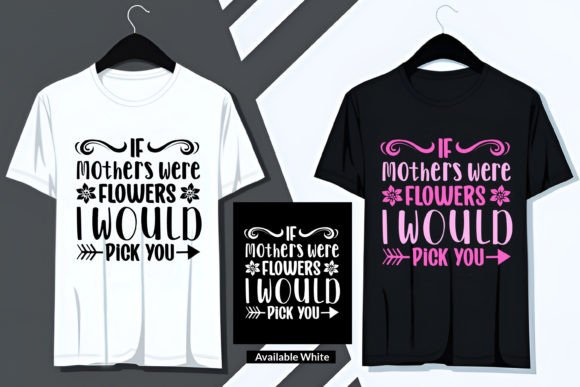
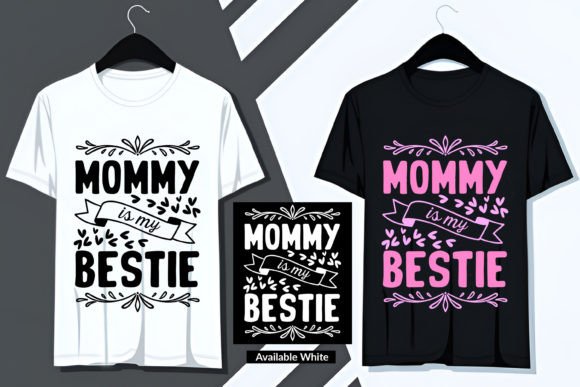
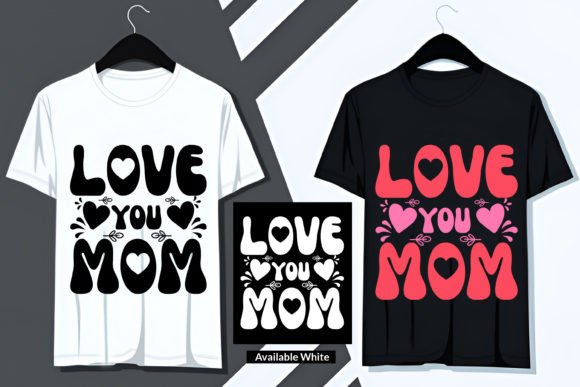
When a client asks for a Mother’s Day gift that feels special, not generic, the pressure is on. You need a design that speaks from the heart, but also stitches cleanly on fabric. Opening the "Mother’s Day T-Shirt SVG Design" file, my first thought wasn't about the technical specs. It was about the mood. This design feels warm and sincere. Its layout is built around a central, heartfelt quote, with supporting elements that frame it without crowding. The visual personality is classic and affectionate—it doesn’t scream with trendy graphics but whispers with a timeless, handmade charm. Immediately, I pictured it not just on a t-shirt, but as the centerpiece of a custom embroidered tote bag a daughter might make for her mom.
Where This Design Finds Its True Home
Some embroidery files look great on screen but lose their soul in thread. This one, however, feels destined for projects where sentiment matters. Imagine it stitched onto a cozy sweatshirt, a gift meant for comfort. Picture it on a crisp kitchen apron, transforming a practical item into a treasured keepsake. I saw it clearly on a pillow cover for a mother’s reading nook or delicately worked onto a nursery blanket for a new mom. Its appeal is in its giftability. For a crafter running a small shop or an Etsy seller, this design isn’t just a graphic; it’s a ready-made product idea. A boutique could build a whole Mother’s Day line around it—from embroidered caps to elegant tea towels. It enhances brand consistency for businesses focused on family and celebration.
The Real-Life Embroidery Scenario: A Custom Tote Bag
Let’s walk through a real case. A client wants a custom embroidered tote bag for her mother, filled with other gifts. You load this SVG. The first practical note: test it on scrap fabric first, especially a canvas-like tote material. Check the thread color contrast. A design with this emotional weight needs clarity; low contrast on dark fabric might muddy the message. The layout suggests it will work well in a medium to larger hoop size, allowing the quote and accents to breathe without forcing a tiny, dense stitch area. For a tote, stitch density is key—too heavy might stiffen the bag, too light might not withstand use. The design’s balance likely means fill stitches for the main elements and cleaner running or satin stitches for the details, which is a good sign for durability.
Navigating the Tricky Stitching Terrain
Every design has its careful-use zones. For the "Mother’s Day T-Shirt Svg Design," pay close attention to application on small hoop sizes. If you try to shrink it drastically for a baby item or a cap’s curved surface, those tiny lettering details might lose their stitching clarity. On textured fabrics like some sweaters, the finer decorative accents could blend in. On thin or stretchy fabric, stabilizer choice becomes paramount to prevent distortion of the heartfelt quote. For products needing frequent washing, like a kitchen towel, test the stitch integrity thoroughly. Dark fabric backgrounds require a thoughtful thread palette to maintain the design’s warm mood. This isn’t a design you’d slap onto a complex, layered garment; it’s a focal point best suited for a clean, central location on your product.
How Stitching Transforms Digital Files into Trust
The leap from a digital embroidery file on screen to a finished product in hand is where customer trust is built. When this design is embroidered well, its visual appeal is direct and professional. That professionalism directly affects product value. A handmade presentation feels intentional, not haphazard. For the creative entrepreneur selling finished items, a clean stitch on this design signals care, increasing buyer engagement. It looks like a gift, not just merchandise. For the digital product seller offering the file itself, its clear structure and emotive theme make for strong printable mockups and digital product previews, helping customers visualize their own projects. It supports both personal and commercial embroidery projects, but always advise checking the specific licensing provided with the file before selling finished items or digital products.
Practical Notes From the Hoop
Before you commit this to a client’s project or your own craft business inventory, run these checks. Review the stitch density in your machine software; adapt it for the fabric. Inspect the small details in a black and white mockup to ensure they’ll survive the translation to thread. Compare how it looks on both light and dark fabric backgrounds in your preview—does the mood hold? Use proper stabilizer for the fabric type; a sweatshirt embroidery will need different support than a baby embroidery on fine cotton. Confirm the hoop size your project requires. And crucially, test it. Stitch it out on a scrap of the actual material you’ll use, whether it’s for a custom apparel piece, an embroidered patch, or holiday embroidery. See how the thread colors play together. This is the difference between a design that looks good and a handmade product that feels right.
The Final Impression: A Design That Supports
Returning to the product description’s note—this design is for those who want to surprise their mothers or support them with designs like this. In practice, it lives up to that. It supports the maker by being adaptable to various projects like boutique product lines or craft fair products. It supports the recipient by carrying a genuine, stitched sentiment. In the world of craft and graphics, files are tools. This one feels like a reliable tool for creating something meaningful. It won’t be the flashiest design in your library, but in the right embroidery project—on that tote bag, pillow, or apron—it will be the one that gets the reaction you want: a real, human smile. That’s the practical design judgment that matters most.