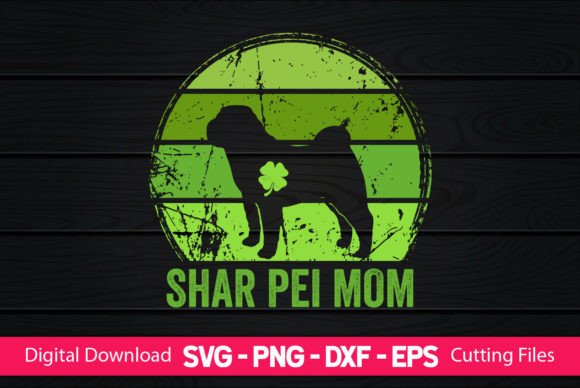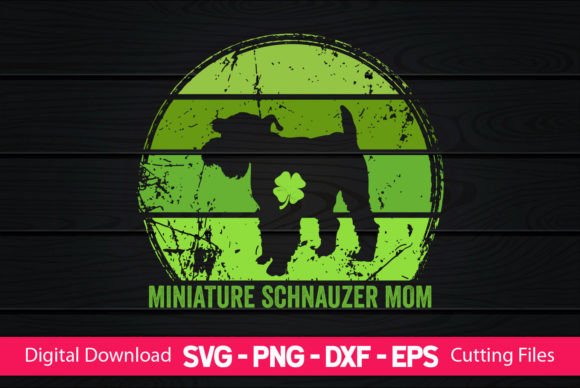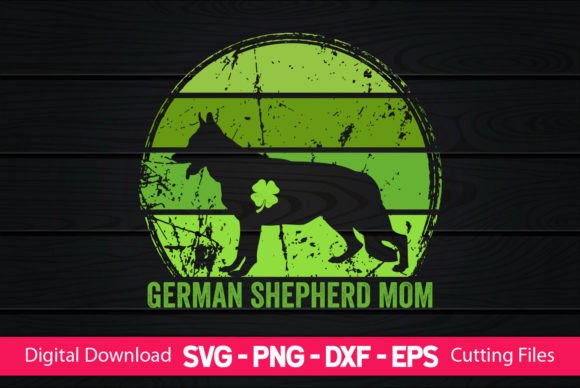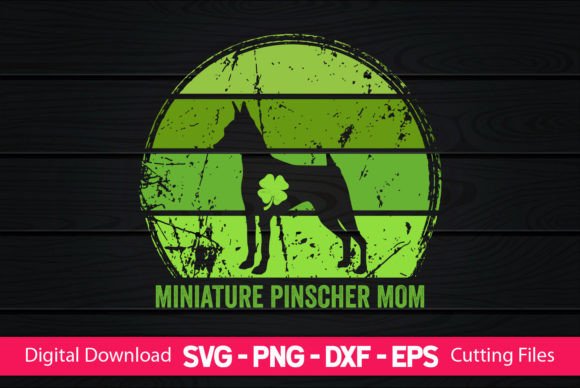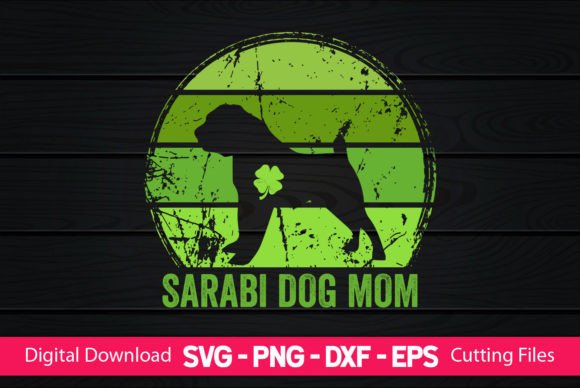
Sarabi Dog Mom St Patrick’s Day: A Designer's Hands-On Review
Whenever a new holiday-themed design lands in my studio, my first instinct is to visualize it stitched out. Not as a flat graphic, but as thread on fabric. That’s the real test. So when I sat down to evaluate the Sarabi Dog Mom St Patrick’s Day embroidery file, I wasn’t just looking at the screen. I was thinking about the texture of a sweatshirt, the weave of a canvas tote, and how this design would translate into a real, tactile product.
The Immediate Mood: Festive, Friendly, and Unmistakably Personal
The first impression here is one of cheerful celebration. The design cleverly blends the iconic St Patrick’s Day motifs with that deeply personal “Dog Mom” identity. This isn’t just a generic shamrock; it’s a declaration. For embroidery, this personality is gold. It creates an immediate emotional hook, which is exactly what you want for a custom apparel item or a personalized gift. The layout feels balanced, with enough detail to be interesting but not so dense that it becomes a stitching nightmare on, say, a curved cap surface.
Where This Design Naturally Thrives
In practical terms, this embroidery file has a wide home range. I immediately pictured it on a cozy, heather-gray sweatshirt – a perfect small shop product. The sentiment is warm and niche, appealing directly to a community. It would also shine as a centered feature on a kitchen apron or a tea towel, making a fun, functional holiday item. For a craft business focusing on baby embroidery, a scaled-down version on a baby onesie or a nursery pillow cover could be a lovely, subtle nod to the holiday.
For Etsy sellers and apparel decorators, the design’s clear theme makes it excellent for seasonal listings. Think March-themed craft fair products: embroidered patches ready to iron on, or ready-made tote bags. Because it combines a holiday with a personal title, it feels less generic and more like a bespoke handmade product, which increases perceived value and customer trust.
Navigating the Practical Stitching Landscape
Moving from idea to machine, a designer’s mind turns to execution. The provided formats like SVG and PNG are standard for digital workflow, but remember, an embroidery file’s success is in its stitch translation.
Scenarios That Demand Extra Attention
This design has areas of potential density, particularly in any decorative accents or lettering. On textured fabrics like thick towels or napped sweatshirt material, small details can get lost. Always test the design on scrap fabric first. If you’re planning it for dark fabric, pay close attention to thread color contrast. The traditional greens and golds of St Patrick’s Day need to be vibrant against a dark background; consider a slightly lighter or brighter green palette than you might use on white.
Small hoop sizes could be tricky if you try to cram the full design into a tiny area. It’s better suited for a medium field, allowing the shapes and text room to breathe. On stretchy fabric like t-shirts, use proper stabilizer to prevent distortion, especially around any satin stitch borders. And for items destined for frequent washing – like baby clothes or kitchen linens – consider simplifying very fine details to ensure longevity.
The Impact on Your Project and Your Business
Beyond the stitch formation, using a design like this affects the bigger picture. For a creative entrepreneur, it offers seasonal content that can refresh your product line. Its specific appeal (“Dog Mom”) helps with buyer engagement – it speaks directly to a person, not just to a holiday. This builds brand consistency if your shop focuses on pet-loving or personalized niches.
The visual clarity of the theme means it stitches out with good recognition. On a finished product, like an embroidered patch or a tote bag design, it looks professional and intentional. This enhances the giftability of the item; it feels thoughtful, not mass-produced. For commercial embroidery projects, such as a small batch of caps for a local business’s St Patrick’s Day event, it provides a clean, festive logo option.
Essential Designer Notes Before You Hoop Up
- Always review stitch density in your embroidery software before running the job. Look for areas that might be too thick, which can pucker lightweight or thin fabric.
- Check thread color contrast by running a small section, or even test it in black and white mockups to check form separation.
- Inspect small details like the corners of lettering or tiny elements. They may need slight adjustment for your specific machine or preferred stitch type.
- Compare light and dark fabric backgrounds virtually or with tests. The same thread colors can look dramatically different.
- Crucially, confirm licensing before selling finished items or digital products. The product description mentions it's a digital file for cutting machines, but the rights for selling physical embroidered goods or altered digital files must be verified with the original seller.
As a final, real-life scenario: I envisioned preparing a custom embroidered tote bag as a holiday gift for a friend who is, unmistakably, a proud dog mom. The Sarabi Dog Mom St Patrick’s Day design would be the perfect focal point. It would be festive without being kitschy, personal without being overly intimate. Stitched onto the bag’s front panel with a crisp satin stitch outline and smart fill stitches for the larger shapes, it would create a product that feels both handmade and professionally finished. That’s the sweet spot this design aims for, and with careful preparation, it hits it.
In the world of Crafts and Graphics, a file is just a starting point. Its true value is realized in thread and fabric. This design offers a strong, personality-driven concept that, when managed with practical embroidery knowledge, can become a standout element in your holiday project lineup or product catalog.