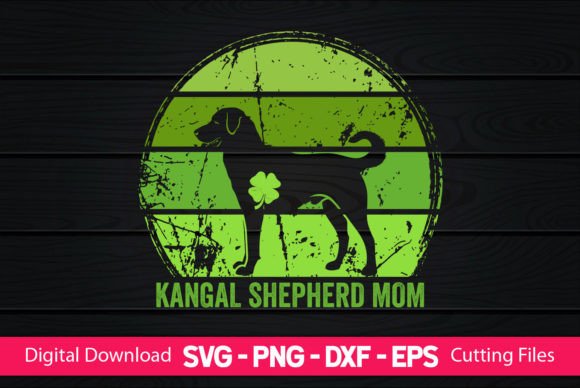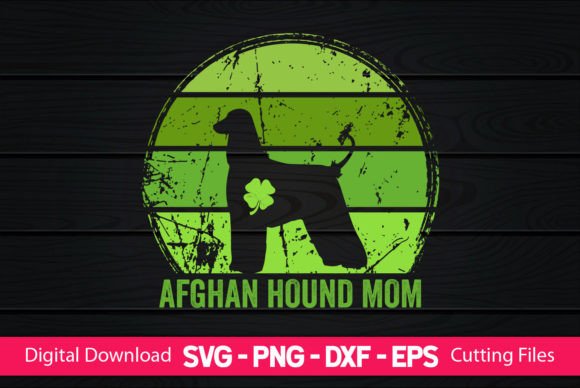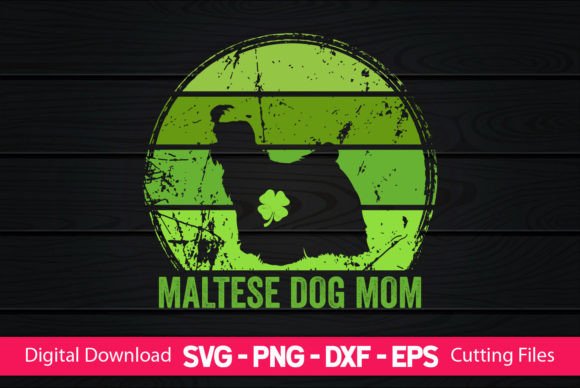
A Designer’s Take on the Samoyed Mom St Patrick’s Day Design
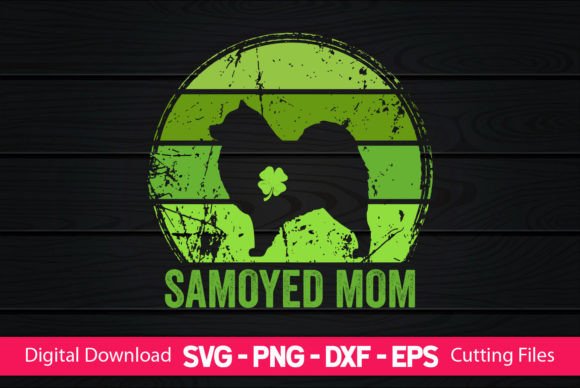
When you're looking at a digital embroidery file for real project use, the first thing you're doing is visualizing it on a finished product. You're not just seeing shapes on a screen; you're imagining thread, fabric, and context. That's exactly where I started with the Samoyed Mom St Patrick’s Day design. This isn't a generic graphic; it’s a specific, thematic statement piece with a clear personality.
The Immediate Mood and Where It Belongs
The charm of this design hits you right away. It combines a universally beloved, fluffy dog breed with a playful holiday twist. That creates a mood that’s warm, celebratory, and slightly whimsical. The visual personality is friendly and niche—it speaks directly to Samoyed owners and lovers, wrapped in St. Patrick’s Day fun. For an embroidery project, this tells me it’s not meant for broad, generic merchandise. It’s perfect for personalized gifts, niche small shop products, or targeted holiday items for a specific community.
From a layout perspective, the elements are likely balanced to create a central focal point—the dog with its thematic accessories. The detail level is what I’d consider moderate; it has character details but shouldn’t become an overly dense stitching nightmare. This design naturally belongs on items meant for gifting or personal celebration: a cozy sweatshirt embroidery for a mom, a baby embroidery on a little one’s holiday bib, a decorative pillow cover for a seasonal living room, or a crisp kitchen towel as a boutique gift.
Putting It Into a Real Project Scenario
Let’s walk through a real case. Imagine you’re an Etsy seller preparing for a spring craft fair. You want to offer unique, ready-to-give items. You decide to create a line of high-quality, embroidered canvas tote bags with a St. Patrick’s Day theme. You load the Samoyed Mom St Patrick’s Day embroidery file and stitch it onto a natural canvas bag. The result? It’s not just a bag; it’s a story. It immediately connects with dog lovers, especially Samoyed owners, and positions your product as a thoughtful, handmade product rather than a mass-produced trinket. The customer reaction you’d anticipate is one of delighted recognition—“That’s my breed!”—which instantly increases the perceived value and giftability.
Performance Across Different Embroidery Situations
This design’s performance hinges on its application. On sturdy, non-textured fabrics like mid-weight cotton for tote bag designs or smooth fleece for sweatshirts, it will shine. The clarity of the shapes and any text elements will be crisp. For baby clothes on softer knit fabrics, you’d need to be mindful of stitch density and use a robust stabilizer to prevent puckering, but the playful theme is a perfect fit.
As an embroidered patch, it would work beautifully, allowing for application on various items later. For caps or curved surfaces, the design’s likely rounded composition would adapt well, though the smaller hoop size required means you must check that finer details remain clear. In commercial embroidery runs for a small business producing a batch of holiday aprons, the consistent, cheerful motif would bolster brand consistency for a pet-themed boutique.
For digital product sellers, this file is a design asset for creating printable mockups—showcasing it on product images for digital storefronts. Its niche appeal drives specific buyer engagement. In all these uses, the design elevates the professionalism of the finished product by being a complete, thematic concept rather than a fragmented clipart assembly.
Where to Exercise Caution
Not every project is ideal. My practical design judgment flags a few areas for careful use. If the design contains very tiny lettering, like the “Mom” text or small decorative accents, these might lose clarity on very textured fabrics like thick sweaters or on small-scale items like a baby sock. On dark fabric backgrounds, thread color contrast is paramount; the traditional St. Patrick’s Day greens and whites need to pop, so a test stitch on scrap fabric is essential.
Avoid very thin or stretchy fabrics without excellent stabilization, as the design’s integrity could warp. Also, for products needing frequent washing, like tea towels, ensure the stitch structure is secure and not overly delicate. For curved surfaces like the crown of a cap, inspect any detailed corners in the design to ensure they don’t get lost in the curve. The key is matching the design’s character to a product that can support its visual weight.
Impact on Value, Trust, and Presentation
Using a well-conceived design like this directly affects your project’s success. The visual appeal is targeted, which builds customer trust—they see a product that understands a specific interest. For a creative entrepreneur, this turns a simple craft into a meaningful item. The handmade presentation feels intentional and skilled, not random.
For personalized gifts or wedding gifts for a dog-loving couple, it adds a layer of thoughtfulness that generic designs lack. In a craft business, it helps you carve out a niche. Selling this as part of your craft fair products lineup demonstrates curation and insight into your audience. Ultimately, it boosts the perceived product value because the design itself carries emotional weight and recognition.
Essential Designer Notes Before You Hoop
Before you commit this to a client project or your shop merchandise, run through these practical steps. Always test the design on scrap fabric first, using the same material and weight as your final product. This reveals any issues with stitch density or thread behavior. Check thread color contrast by stitching it on both light and dark fabric scraps to see how it translates.
Review the small details in your software preview; zoom in on any intricate areas. Confirm the hoop size you’ll need and ensure your machine can handle it comfortably. Since specifics like exact stitch count aren’t provided here, your test run will give you that physical feedback. Use proper stabilizer for your chosen fabric; this is crucial for maintaining stitching clarity.
For business use, confirm licensing before selling finished items or digital products. The product description indicates it's a digital file for cutting machines, so ensure your intended commercial use is covered. Finally, test it in black and white mockups to see how the design reads as a silhouette, which helps gauge its strength without color.
In the end, the Samoyed Mom St Patrick’s Day design is a potent little graphics file for the right crafts project. It’s not a one-size-fits-all solution, but its targeted charm and clear theme make it a valuable asset for designers and makers who understand their audience. When paired with the right product and executed with careful embroidery technique, it transforms from a digital file into a story stitched in thread, ready to delight a very specific someone.