Blessed Mama SVG: A Designer's Take on Its Embroidery Potential
When a new design file lands on my desk, especially one with a name like Blessed Mama, my first thought isn’t about the file formats in the ZIP. It’s about how it will translate from a screen to stitches on fabric. This is the critical step for any crafter, apparel decorator, or small business owner: visualizing the digital design as a finished, tactile product.
The First Impression: Warmth and Readability
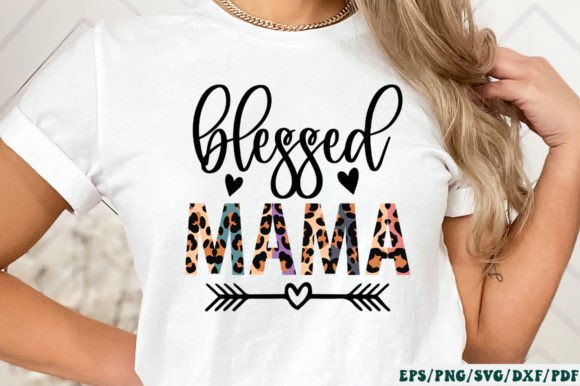
Opening the Blessed Mama SVG bundle, the immediate mood is one of classic, heartfelt appreciation. The design isn’t overly trendy or flashy; it leans into timeless sentiment. From an embroidery perspective, this is a strong starting point. The layout typically favors clear, central lettering with supportive decorative elements, which means it’s naturally suited for projects where the message needs to be the hero—think a custom tote bag for a new mom or an embroidered pillow cover for a grandmother’s birthday.
The visual personality is gentle and celebratory. This isn’t a design that shouts; it speaks warmly. For embroidery, this translates to a focus on clean lines and shapes that won’t get lost or become muddy when stitched out. As a designer, I appreciate that. It tells me this design has likely been created with an understanding that it will become a physical object, not just a graphic.
Where This Design Shines in Real Projects
Let’s walk through a real scenario. I’m preparing a custom baby gift bundle for a client: a matching set of a baby bib and a cozy sweatshirt for the mom. The client wants something that feels handmade and personal, not generic. The Blessed Mama design enters my consideration here.
For the sweatshirt, embroidered directly onto the chest or sleeve, the design’s scale is key. A larger hoop size allows the sentiment and any accompanying floral or heart motifs to be stitched with satisfying detail. Satin stitches for the lettering and fill stitches for any decorative elements can create a lovely, premium texture. On a textured fabric like a cotton-blend sweatshirt, the design will pop with good thread contrast.
For the baby bib, however, the project changes. This is a smaller, frequently washed item. Here, I’d consider using the design to create an embroidered patch that can be appliquéd onto the bib. This approach protects the intricate stitching from constant wear and adds a charming, handmade layer. The SVG’s clean outlines are perfect for creating a precise patch template. This kind of practical application is where a versatile file bundle truly pays off for creative entrepreneurs.
Beyond Apparel: Expanding Your Product Line
This design naturally extends beyond wearables. For Etsy sellers or craft fair vendors, think of kitchen towels, aprons, or framed nursery decor. An embroidered “Blessed Mama” on a high-quality tea towel becomes a beautiful, usable gift. On an apron, it personalizes a functional item for a mother or grandmother. The design’s inherent giftability boosts the perceived value of these handmade products. Customers recognize the sentiment and connect with it, which is crucial for small shop merchandise.
For digital product sellers, these clean SVG and PNG files are excellent assets for creating printable mockups. They allow you to showcase how the embroidered product could look on different items without stitching every sample, saving immense time for commercial embroidery projects or boutique branding.
Considerations for Successful Stitching
Confidence in a design comes from knowing its limits as well as its strengths. Here’s where a practical, realistic mindset matters.
Scale and Detail: While the design feels clear, always test it on scrap fabric first. If the file includes very small decorative elements or tiny lettering fragments, they might not stitch cleanly on very small hoop sizes or on stretchy fabrics like thin t-shirts. A dense stitch area in a small motif can cause puckering.
Fabric Choice: Dark fabrics require careful thread color planning to maintain the design’s warm mood. White or light-colored stitches on dark denim for a tote bag can look stunning, but you must ensure your stabilizer and stitch density are right to prevent the fabric from showing through. On curved surfaces like caps, the design’s overall shape should be evaluated—a more centralized, compact layout often works better than a wide, sprawling one.
Commercial Use: The description mentions a bundle of formats, which is fantastic for versatility across different machines and software. However, the most important note for anyone using this for a craft business or commercial embroidery is to confirm the licensing terms before selling finished items. Does the purchase allow for commercial use of the physical products you make? Always verify this. It protects your business and maintains customer trust.
Embroidery Designer’s Practical Checklist
- Run a test stitch on a fabric similar to your final product. Check for clarity in all details.
- Play with thread color contrast. Try a few options against both light and dark background mockups.
- Review the stitch density if your embroidery software allows preview. Adjust for delicate fabrics.
- Use the proper stabilizer for your chosen fabric—this is non-negotiable for professional results.
- Consider converting elements to applique for projects needing durability or a different texture.
- If creating patches, the clean SVG file is your best friend for precise cutting lines.
The Final Stitch: Value Beyond the File
Evaluating the Blessed Mama SVG bundle from a professional designer’s point of view, its ultimate value lies in its adaptability and clear emotional resonance. It’s a design that doesn’t fight with the embroidery process; it collaborates with it. For personalized gifts, it adds a layer of sincerity. For small business merchandise, it offers a recognizable, appealing theme that can be consistently applied across a product line—from embroidered caps to holiday gifts—building brand cohesion.
In the end, a successful embroidery project is about the harmony between the digital design and the physical craft. This design, with its focus on a timeless message and likely clean construction, provides a solid foundation for that harmony. It invites the maker to add their skill and care, resulting in a finished product that feels both professional and deeply personal. That’s the kind of asset that supports not just a single project, but a thriving creative practice.